
Unraveling the Mystery of EMC and FCC Testing Labs
Welcome to the world of EMC and FCC testing labs, where electromagnetic compatibility and Federal Communications Commission regulations converge to ensure the seamless functioning of electronic devices. In this comprehensive guide, we’ll delve into the intricacies of these testing facilities, shedding light on their significance, processes, and importance in the tech industry.
Understanding EMC Testing Labs
The Significance of EMC Testing
In a world dominated by electronic devices, ensuring electromagnetic compatibility is paramount. EMC testing labs play a crucial role in certifying that electronic products operate harmoniously in their intended environments without causing interference.
Testing Procedures
EMC testing involves subjecting devices to various electromagnetic environments to assess their performance under different conditions. From emissions testing to immunity testing, each procedure aims to evaluate a device’s susceptibility to electromagnetic interference and its ability to function reliably.
Certifications and Compliance
Products that pass EMC testing receive certifications, indicating their compliance with regulatory standards. These certifications instill consumer confidence, affirming that the products are safe, reliable, and compatible with other electronic devices.
State-of-the-Art Equipment
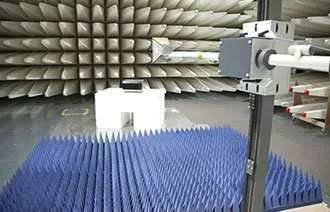
EMC testing labs are equipped with advanced instruments and facilities to simulate real-world electromagnetic scenarios accurately. From anechoic chambers to conducted immunity test setups, these labs utilize cutting-edge technology to conduct thorough assessments.
Exploring FCC Testing Labs
Role of the FCC
The Federal Communications Commission (FCC) regulates interstate and international communications by radio, television, wire, satellite, and cable in the United States. FCC testing labs ensure that electronic devices comply with FCC regulations to prevent harmful interference and promote efficient spectrum usage.
Testing Criteria
FCC testing encompasses various parameters, including radiofrequency emissions, signal strength, and spectral purity. These tests verify that devices operate within specified limits, minimizing the risk of interference with other electronic equipment and communication networks.
Regulatory Compliance
Devices seeking FCC approval must undergo rigorous testing to demonstrate compliance with FCC regulations. Compliance ensures that products meet quality standards, adhere to frequency allocations, and contribute to the overall integrity of the communication ecosystem.
Facility Infrastructure
FCC testing labs feature specialized equipment tailored to assess the electromagnetic characteristics of devices. From RF test chambers to spectrum analyzers, these facilities provide a controlled environment for accurate and reliable testing.
EMC and FCC Testing Labs: Bridging the Gap
Synergy in Standards
While EMC and FCC testing labs focus on distinct aspects of electromagnetic compatibility, their ultimate goal is synonymous: to ensure the seamless operation of electronic devices while mitigating interference risks. By aligning with international standards and regulatory frameworks, these labs contribute to a global ecosystem of interoperable and compliant technology.
Collaborative Efforts
Manufacturers, regulatory bodies, and testing labs collaborate to uphold industry standards and promote innovation. Through joint initiatives and knowledge sharing, stakeholders work towards enhancing product reliability, reducing time-to-market, and fostering technological advancements.
Continuous Evolution
As technology evolves, so do the challenges associated with electromagnetic compatibility and regulatory compliance. EMC and FCC testing labs adapt to emerging trends, incorporating new testing methodologies and equipment to address evolving requirements and ensure the efficacy of testing procedures.
Frequently Asked Questions (FAQs)
What is the purpose of EMC testing?
EMC testing evaluates the electromagnetic compatibility of electronic devices, ensuring they operate harmoniously without causing interference.
Why is FCC certification important for electronic devices?
FCC certification indicates compliance with regulatory standards set by the Federal Communications Commission, affirming product safety and reliability.
How long does EMC testing typically take?
The duration of EMC testing varies depending on the complexity of the device and the specific tests required. It can range from a few days to several weeks.
Can EMC testing be outsourced to third-party labs?
Yes, many companies opt to outsource EMC testing to accredited third-party labs to expedite the certification process and leverage specialized expertise.
What happens if a device fails EMC testing?
If a device fails EMC testing, manufacturers must identify and rectify the issues causing non-compliance before retesting and seeking certification.
Are there any exemptions from FCC certification requirements?
Certain low-power devices or those operating within specific frequency bands may qualify for exemptions from FCC certification requirements, although compliance with relevant standards is still necessary.
Conclusion
EMC and FCC testing labs play pivotal roles in ensuring the reliability, safety, and compliance of electronic devices in today’s interconnected world. By adhering to stringent standards, leveraging advanced technology, and fostering collaboration, these labs contribute to a thriving ecosystem of innovative and interoperable technology.
Call To Action
Contact us today for Free Consultation at (480) 684-2969! We’re here to answer your questions, discuss your project requirements, and provide a free consultation. Let’s work together to ensure your products meet all EMC compliance standards and unlock their full potential in the global marketplace.