
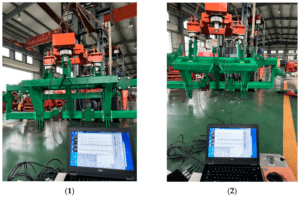
Agricultural machinery, such as tractors, harvesters, and irrigation systems, plays a pivotal role in modern farming operations. These machines are equipped with a variety of advanced electrical components and electronic systems that enable automation, precise control, and improved efficiency. As agricultural machinery becomes more dependent on sophisticated electronics, ensuring their reliable and safe operation is crucial. This is where Electromagnetic Compatibility (EMC) testing comes into play.
EMC testing is essential for agricultural machinery components because it ensures that these systems operate without causing or being affected by electromagnetic interference (EMI). Given the tough environments in which agricultural machinery operates, from harsh weather conditions to the presence of powerful electrical equipment, ensuring EMC compliance is vital for long-term reliability, efficiency, and safety.
Let’s explore why EMC testing is essential for agricultural machinery components and how it contributes to the overall success of agricultural operations.
-
Ensures Reliable Operation in Harsh Environments
Agricultural machinery often operates in environments with high levels of electrical noise, such as near power lines, motors, or welding equipment. These machines are also exposed to unpredictable weather conditions like rain, dust, and extreme temperatures. Such environments can lead to increased electromagnetic interference, which could disrupt the performance of sensitive electrical components.
EMC testing ensures that agricultural machinery components are resilient to these external interferences, enabling the machinery to function as intended even in challenging conditions. By testing for immunity to EMI, EMC testing helps ensure the machinery’s reliability, reducing the chances of malfunctions that could lead to downtime or costly repairs.
-
Prevents Malfunctions and System Failures
Modern agricultural machinery incorporates various electronic systems that control critical functions, such as GPS for precision farming, automated steering, and data collection sensors. Any electromagnetic interference could affect these systems, causing malfunctions or system failures that may lead to significant delays or incorrect operations.
For example, interference in GPS systems could result in inaccurate field mapping, leading to inefficient planting or harvesting. Similarly, automated steering systems could experience loss of control or erratic behavior due to EMI. EMC testing identifies vulnerabilities in these systems by subjecting components to interference simulations, allowing manufacturers to implement solutions like shielding, grounding, and filtering to prevent malfunctions and system failures.
-
Ensures Safety for Operators and Surrounding Equipment
Safety is paramount when it comes to agricultural machinery. Machines such as harvesters, balers, and plows are large, heavy, and complex, and they operate close to human operators and other machinery. Malfunctions caused by EMI could pose serious safety risks, potentially leading to accidents, injuries, or even fatalities.
By performing EMC testing, manufacturers can ensure that agricultural machinery components do not emit harmful electromagnetic radiation that could interfere with nearby systems or cause unsafe conditions. Additionally, testing ensures that the machinery itself is not susceptible to external EMI that could lead to a safety-critical malfunction. This contributes to a safer working environment for operators and surrounding equipment.
-
Improves Efficiency and Productivity
In modern farming, maximizing efficiency and productivity is essential. Agricultural machinery is often equipped with advanced electronic control systems that help optimize operations, such as automated irrigation, crop monitoring, and autonomous navigation. However, interference from nearby equipment or environmental factors can compromise the efficiency of these systems.
Through EMC testing, manufacturers can identify and mitigate sources of interference that may hinder the performance of these electronic systems. By ensuring that the electrical components in agricultural machinery are not affected by EMI, the machinery can operate with higher efficiency, leading to improved productivity on the farm.
-
Helps Comply with Regulatory Standards
The agricultural machinery industry is subject to various international and regional regulations regarding electromagnetic emissions and immunity. Compliance with these standards is crucial to ensure that the equipment is safe for use and can operate without causing or being affected by interference.
For instance, regulatory bodies in the European Union (EU) and the United States have strict standards for electromagnetic emissions from agricultural machinery. Non-compliance can result in penalties, product recalls, or delays in market entry. EMC testing ensures that agricultural machinery meets these regulatory requirements, helping manufacturers avoid legal issues and ensuring that their products are market-ready.
-
Reduces Maintenance Costs and Downtime
Regular malfunctions due to electromagnetic interference can lead to costly repairs and maintenance. These issues can cause extended downtime, which directly impacts the productivity of agricultural operations. By ensuring that machinery components are designed to be EMC-compliant, manufacturers can reduce the risk of EMI-related failures.
EMC testing helps manufacturers identify potential sources of interference early in the design process, enabling them to address these issues before the machinery is deployed. This proactive approach reduces the need for costly repairs and maintenance, helping keep the machinery in optimal working condition and minimizing downtime during peak seasons.
-
Enhances Longevity of Equipment
Agricultural machinery is a significant investment for any farm, and ensuring its longevity is essential. Components that are not properly shielded or immune to EMI may experience faster wear and tear, leading to shorter operational lifespans.
By conducting EMC testing and addressing any EMI vulnerabilities, manufacturers can enhance the durability and longevity of agricultural machinery. This not only protects the investment in the machinery but also ensures that it can continue to perform reliably over time, even under the demanding conditions of agricultural operations.
Final Thoughts: EMC Testing Ensure The Reliability Of Agricultural Machinery Components
EMC testing is key for ensuring the performance, safety, and reliability of agricultural machinery components. By identifying and addressing electromagnetic interference, manufacturers can optimize the functionality of their systems, improve safety, reduce downtime, and ensure compliance with industry regulations. As the agricultural sector continues to embrace more advanced technology, the importance of EMC testing will only continue to grow.
Partner with HB Compliance to ensure that your agricultural machinery meets the highest standards of electromagnetic compatibility and delivers reliable performance in the field.