
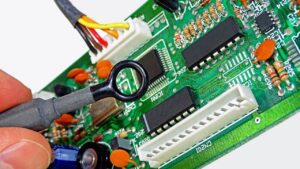
Electromagnetic compatibility (EMC) testing is essential for ensuring that electrical components can function correctly in their intended environments without causing or being affected by electromagnetic interference (EMI). This testing process is critical for industries such as automotive, aerospace, medical devices, and telecommunications, where component reliability and compliance with regulatory standards are paramount.
Understanding the factors that influence EMC testing can help manufacturers address potential challenges early in the design and testing phases, ensuring compliance with global standards. This blog explores the key factors affecting EMC testing for electrical components.
-
Design of the Electrical Component
The design of an electrical component is one of the most significant factors affecting its EMC performance. Key design elements include:
- Circuit Layout: Poorly designed circuit layouts can create unintended EMI sources. Proper component placement, trace routing, and ground plane design are essential to minimize interference.
- Shielding: Effective shielding can prevent radiated emissions from escaping the component or external EMI from affecting the component. The choice of shielding materials and their placement is critical.
- Enclosure Design: The physical housing of the component must prevent electromagnetic leaks while maintaining functionality.
- Component Selection: Using high-quality components with low emission levels and good immunity characteristics can significantly impact the EMC performance.
-
Frequency Range of Operation
Every electrical component operates within a specific frequency range. EMC testing must cover this operational range and the potential harmonics or spurious frequencies that may arise.
- Higher Frequencies: Components operating at higher frequencies are more prone to generating EMI and require stringent testing.
- Broadband Devices: Components with wide frequency ranges may need more extensive testing to ensure compliance across all operational frequencies.
-
Power Supply Design
Power supplies are often a major source of EMI in electrical components. Factors related to power supply design include:
- Switching Noise: Switching power supplies can generate significant EMI if not properly designed. Techniques like soft switching and proper filtering are essential.
- Grounding and Bonding: Poor grounding can result in noise coupling between circuits, increasing EMI levels.
- Ripple and Noise: Excessive ripple in the power supply can cause performance issues in sensitive circuits.
-
Test Environment
The environment in which EMC testing is conducted significantly affects the accuracy and reliability of test results
- Anechoic Chambers: These chambers eliminate reflections and external EMI, providing a controlled setting for accurate radiated emissions testing.
- Semi-Anechoic Chambers: These allow for more realistic simulations while maintaining control over interference sources.
- Ambient Conditions: External electromagnetic noise, temperature, and humidity can influence testing outcomes and must be controlled.
-
Testing Equipment and Methodology
The quality and accuracy of EMC testing depend on the equipment and methodology used.
- Measurement Instruments: Spectrum analyzers, receivers, and antennas must have high sensitivity and accuracy.
- Calibration: Regular calibration of test equipment is crucial to ensure consistent and reliable measurements.
- Standards Compliance: Testing methodologies should align with the relevant standards (e.g., CISPR, ISO, or FCC) to ensure global compliance.
-
Component Placement During Testing
The positioning of the component under test (CUT) can influence test results.
- Orientation: The orientation of the component relative to antennas or probes affects the detection of emissions or immunity levels.
- Distance from Probes: Specific standards dictate the distance between the component and measurement equipment to ensure consistent results.
- Cable Placement: Proper cable routing during testing is necessary to prevent unintentional noise coupling.
-
Interference Sources
Unintentional interference sources within the test setup or the component itself can affect results.
- Coupling Paths: EMI can travel through conductive, inductive, or capacitive coupling. Identifying these paths helps mitigate interference.
- Nearby Equipment: Non-essential equipment in the testing area can introduce unwanted interference.
- Self-Interference: Complex components with multiple subsystems may generate internal EMI, complicating testing.
-
Regulatory Standards and Requirements
Different regions and industries have specific EMC standards that dictate testing procedures and limits.
- Global Standards: Standards like CISPR, IEC, and ISO provide guidelines for EMC testing across industries.
- Industry-Specific Standards: For example, automotive components often follow CISPR 25, while medical devices adhere to IEC 60601-1-2.
- Regional Variations: Regulatory limits may differ between regions, requiring manufacturers to test components against multiple standards.
-
Component Lifecycle Stage
The stage at which a component is tested also affects the process and outcomes.
- Prototype Testing: Early-stage testing helps identify design flaws before mass production.
- Production Testing: Ensures consistent compliance in manufactured units.
- Field Testing: Evaluates performance in real-world conditions where uncontrolled interference sources may be present.
-
Mitigation Strategies
EMC testing often reveals the need for mitigation measures to address non-compliance. These strategies can influence the overall testing process:
- Filtering: Installing filters on power and signal lines to suppress noise.
- Grounding Improvements: Enhancing the grounding scheme to reduce noise coupling.
- Component Redesign: Redesigning circuits or enclosures to address compliance issues.
Final Thoughts: EMC Testing Are Key to Achieve Compliance Efficiently
EMC testing is a vital process for ensuring the reliability and safety of electrical components in today’s increasingly connected world. By understanding the key factors that affect EMC testing, manufacturers can streamline the process, reduce costs, and achieve compliance efficiently.
Partner with HB Compliance to ensure your electrical components meet the highest EMC standards. With our expertise, you can confidently bring your products to market while adhering to global regulations.